The Thrill of Uncertainty
The allure of casinos often stems from the thrill of uncertainty. In a world dominated by routines and predictable outcomes, gambling provides an escape into the unknown. Players are drawn to the possibility of significant rewards, making every spin of a slot machine or roll of the dice a heart-pounding experience. This unpredictability taps into human psychology, where the anticipation can be just as exhilarating as the outcome itself. Many people find that engaging with no kyc casinos adds to the excitement, making the experience all the more captivating.
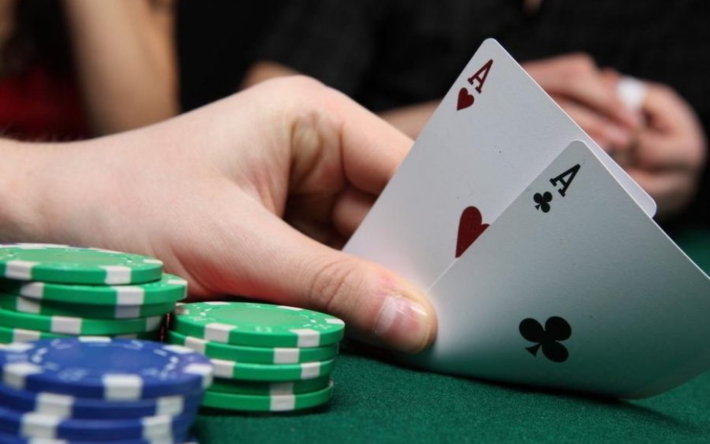
This excitement is amplified by the concept of risk, which is intricately linked to our emotional responses. When we take risks, our brains release dopamine, a neurotransmitter associated with pleasure and satisfaction. This biological response explains why many individuals are willing to overlook potential losses for the chance of a big win, reinforcing the idea that the thrill of risk can be addictive.
The Social Experience of Gambling
Casinos also offer a unique social environment that enhances the gambling experience. The camaraderie found at poker tables or in a crowded slot machine hall fosters a sense of belonging and shared excitement. People enjoy the communal aspect of playing games, celebrating wins together, and empathizing with losses, which adds another layer of enjoyment to the gambling experience.
Furthermore, social interaction reduces the perceived risks associated with gambling. When individuals are surrounded by friends or fellow players, they may feel bolder and more willing to take risks, knowing they are part of a collective experience. This social validation can lead to a more significant emotional investment in the games, motivating players to return for more.
The Illusion of Control
Another psychological factor that contributes to our love for casinos is the illusion of control. Many players believe they can influence the outcome of games, particularly in skill-based gaming scenarios, such as poker or blackjack. This belief, even if unfounded, can enhance the enjoyment of the experience as players feel like active participants rather than passive observers.
This illusion is further manipulated by the design of casino games and environments. For instance, slot machines often feature sounds, lights, and visuals that create an engaging atmosphere, encouraging players to think they are making strategic choices. In essence, casinos capitalize on the human tendency to seek control and agency in scenarios where none exists, making the experience more appealing.
The Role of Near Misses
Near misses are a common occurrence in gambling and play a crucial role in maintaining player engagement. When individuals almost win, it triggers emotions similar to winning, reinforcing their desire to keep playing. This psychological phenomenon can contribute to the cycle of risk-taking behavior, as players feel motivated to try again in hopes of achieving that elusive jackpot.
Research has shown that near misses can lead to an increase in betting behavior, as they provide a sense of hope and potential success. This creates a loop where players continue to gamble, driven by the emotional highs associated with both wins and near successes. The persuasive power of near misses is an essential element in why people are drawn back to casinos again and again.
About Our Website
Our website is committed to providing valuable insights into the world of gambling, including the psychological aspects that influence player behavior. By understanding the factors that draw people to casinos, we aim to foster a more informed gambling experience.
Additionally, we offer robust online security services designed to protect users from cyber threats while ensuring a smooth experience for accessing gambling content. Our support includes clear instructions for resolving access issues, empowering users to navigate the online gaming landscape securely and confidently.